

As you scroll through the pages of Azeroth’s history on your digital tome, you’ll find the mantle of Warchief has always been a double-edged sword for the Horde. You’ve witnessed how Thrall’s shamanistic wisdom laid the foundation, only for Garrosh’s iron fist to threaten its stability.
You’re aware that Vol’jin’s brief tenure sought to heal the fractures, and Sylvanas’ controversial strategies have left everyone questioning the very future of this faction. In this discussion, you’ll explore the intricate web of loyalties and the hefty price of power that comes with being a Warchief.
The leadership of the Horde isn’t just about military might; it’s about navigating the treacherous waters of politics, honor, and sometimes, betrayal. Stick around to unravel the complexities that these leaders face, which may just shine a light on what lies ahead for the Horde.
Thrall’s Visionary Leadership
Thrall consistently demonstrated his visionary leadership by forging a new, united Horde that valued honor and cooperation among its diverse races. You’ve seen him navigate the tumultuous political landscapes, engaging with leaders like Jaina Proudmoore, fostering peace where others sought war. He recognized the strengths in leaders such as Sylvanas Windrunner, integrating their unique perspectives into a collective vision for the Horde.
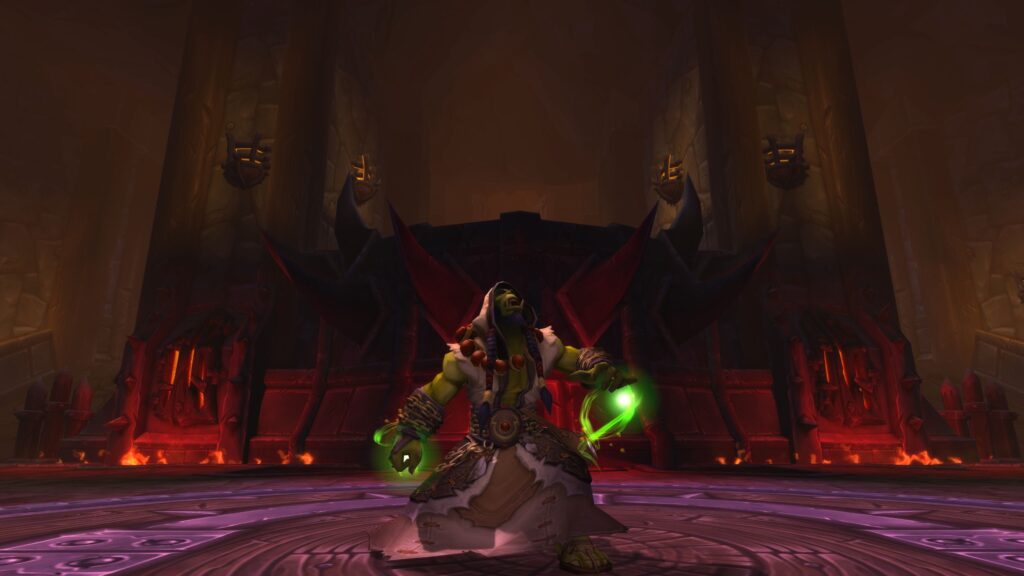
You’ve also witnessed Thrall’s diplomatic finesse in his dealings with Varian Wrynn. Despite the tension between the Alliance and the Horde, Thrall’s commitment to peace set a precedent for future interactions. His ability to lead with both wisdom and strength became even more evident as the Horde of Draenor emerged, presenting new challenges and opportunities for unity.
Following Thrall, leaders like Garrosh Hellscream struggled to uphold these ideals, often reverting to old ways of conquest and dominance. You can’t help but appreciate the stark contrast between Thrall’s inclusive approach and the divisive tactics of his successors. His legacy, a Horde built on honor and respect, continues to influence the tides of power within Azeroth, reminding you of the importance of visionary leadership.
Garrosh’s Path of Aggression
Garrosh Hellscream’s tenure as Warchief marked a return to a militaristic Horde, prioritizing conquest and power over Thrall’s ideals of honor and diplomacy. You’d see him rebuff the peace that might’ve blossomed between the Horde and Alliance, instead choosing a path of aggression that’d make figures like Daelin Proudmoore nod in grim understanding. Garrosh’s vision for the Horde was uncompromising, believing that strength was the only currency in a world still licking wounds from past conflicts.
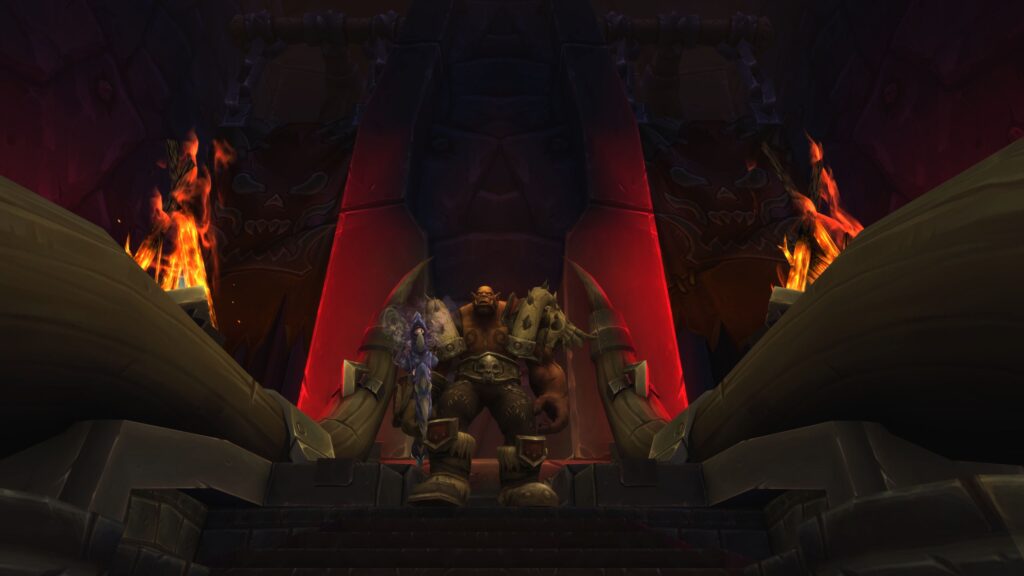
He looked to legends like Anduin Lothar, not for inspiration in leadership, but as a benchmark for military might and tactical prowess. He’d rally his forces with the ferocity of Deathbringer Saurfang, pushing them towards objectives that would often bring them to the very gates of Stormwind City. You’d hear the battle cries, the clashing of steel, and the roars of wyverns overhead as Garrosh led a Horde that seemed to mirror the relentless tide of the old wars.
Yet, in his thirst for dominance, you’d also witness the erosion of the Horde’s spirit. What was once a refuge for the downtrodden became an engine of war, its gears oiled by the blood of those who opposed Garrosh’s tyrannical rule.
Vol’jin’s Unifying Spirit
Following the tumultuous reign of Garrosh, Vol’jin emerged as a beacon of unity, drawing together the fractured pieces of the Horde with a steadfast commitment to harmony and cooperation. You’ve seen leaders come and go, but none quite like Vol’jin. He didn’t just rule; he listened, understood, and acted with a wisdom that belied the stereotypes of his troll heritage. Under his guidance, you felt a renewed sense of belonging, no matter your race or creed within the Horde.
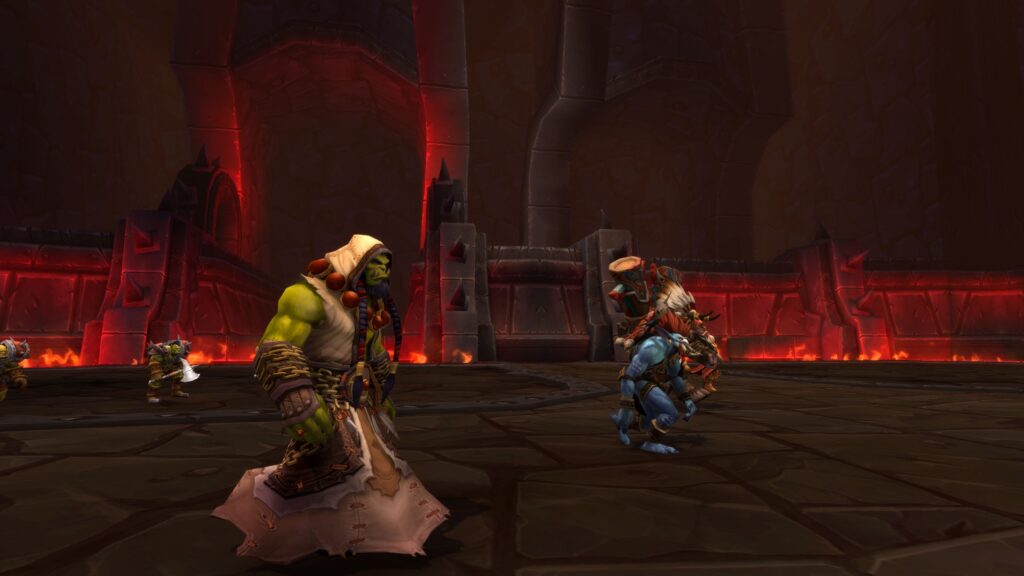
He tackled challenges with a rare mix of patience and decisive action, ensuring that no voice was left unheard. When conflict arose, he didn’t seek to silence it through force, but rather embraced it, using it as an opportunity to strengthen the bonds within the Horde. You remember how he walked amongst his people, not as a distant figure, but as one of you, sharing in your struggles and triumphs.
Vol’jin’s time as Warchief was marked by his unifying spirit, which set a new standard for leadership. It was a period of healing and growth, where you learned that true strength comes from unity, not division. His legacy is a reminder that even in the darkest times, a leader who truly unites can light the way forward.
Sylvanas’ Controversial Rule
Sylvanas Windrunner’s ascent to Warchief sparked controversy and division, challenging the Horde’s unity like never before. Her leadership style was a stark departure from her predecessors, marked by secretive tactics and an unyielding drive for power.
You saw her prioritize the Forsaken’s interests, often at the expense of her allies, which raised questions about her loyalty to the Horde’s collective well-being. Her decisions, especially during the war with the Alliance, led to brutal strategies that horrified many, including the burning of Teldrassil. This act alone left you questioning whether she valued life and the principles the Horde once stood for.
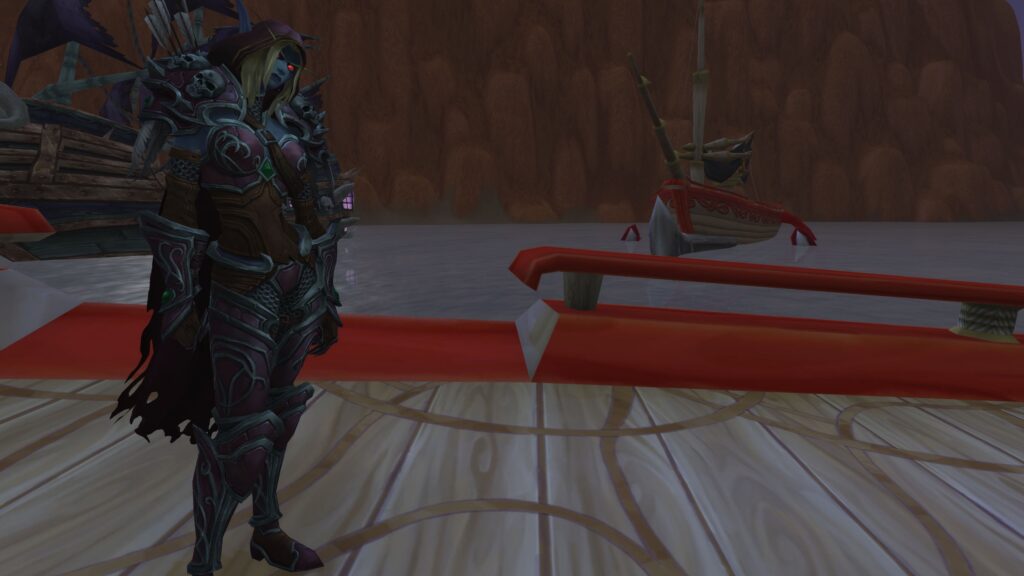
Her tenure was fraught with suspicion and betrayal. Sylvanas’s choices didn’t just strain external relations; they sowed deep mistrust within the Horde’s ranks. When she abandoned the Horde at the climax of the battle against the Alliance, declaring everyone ‘nothing,’ you felt the weight of her actions. It wasn’t just a physical abandonment—it was the ideological rift that left you grappling with what the Horde meant and what it needed to become in the wake of her rule.
The Future of the Horde
As the dust settled on Sylvanas Windrunner’s tumultuous reign, you’re now faced with the pressing question of where the Horde will steer its course in this new era of leadership. It’s a pivotal moment that beckons for unity, but with the scars of betrayal and internal conflict, the path forward isn’t just unclear—it’s uncharted.
The Horde’s identity has always been complex, a tapestry woven from disparate threads of survival, honor, and sometimes, vengeance. You’ve seen Warchiefs rise and fall, each leaving their mark on what it means to be part of the Horde. Now, it’s time to redefine leadership not as a mantle worn by a single ruler, but as a shared responsibility—a council where each voice is heard, each race respected.
Imagine a Horde where decisions aren’t made in the shadows of Grommash Hold but in the open, under the vast skies of Durotar, where every member has a stake in the collective destiny. It’s a future where strength isn’t measured by martial prowess alone, but by the courage to forge alliances and the wisdom to maintain them.
In this new chapter, you’re not just a bystander. You’re a part of the narrative that will write the next pages of the Horde’s legacy. Embrace the challenge, for the future of the Horde rests in the hands—and hearts—of its people.
Conclusion
As the sun sets on a tumultuous era, the Horde’s leadership mantle weighs heavy, akin to a crown of thorns. Thrall’s dreams, Garrosh’s iron fist, Vol’jin’s bridge-building, and Sylvanas’ polarizing reign have each left indelible marks.
Now, you stand at the precipice of change, the future unwritten. Forge ahead, brave warrior, for the Horde’s destiny is clay in your hands—mold it with wisdom and strength, and let unity be your guiding star.
Check more of our news about WoW!
Leave a Reply