
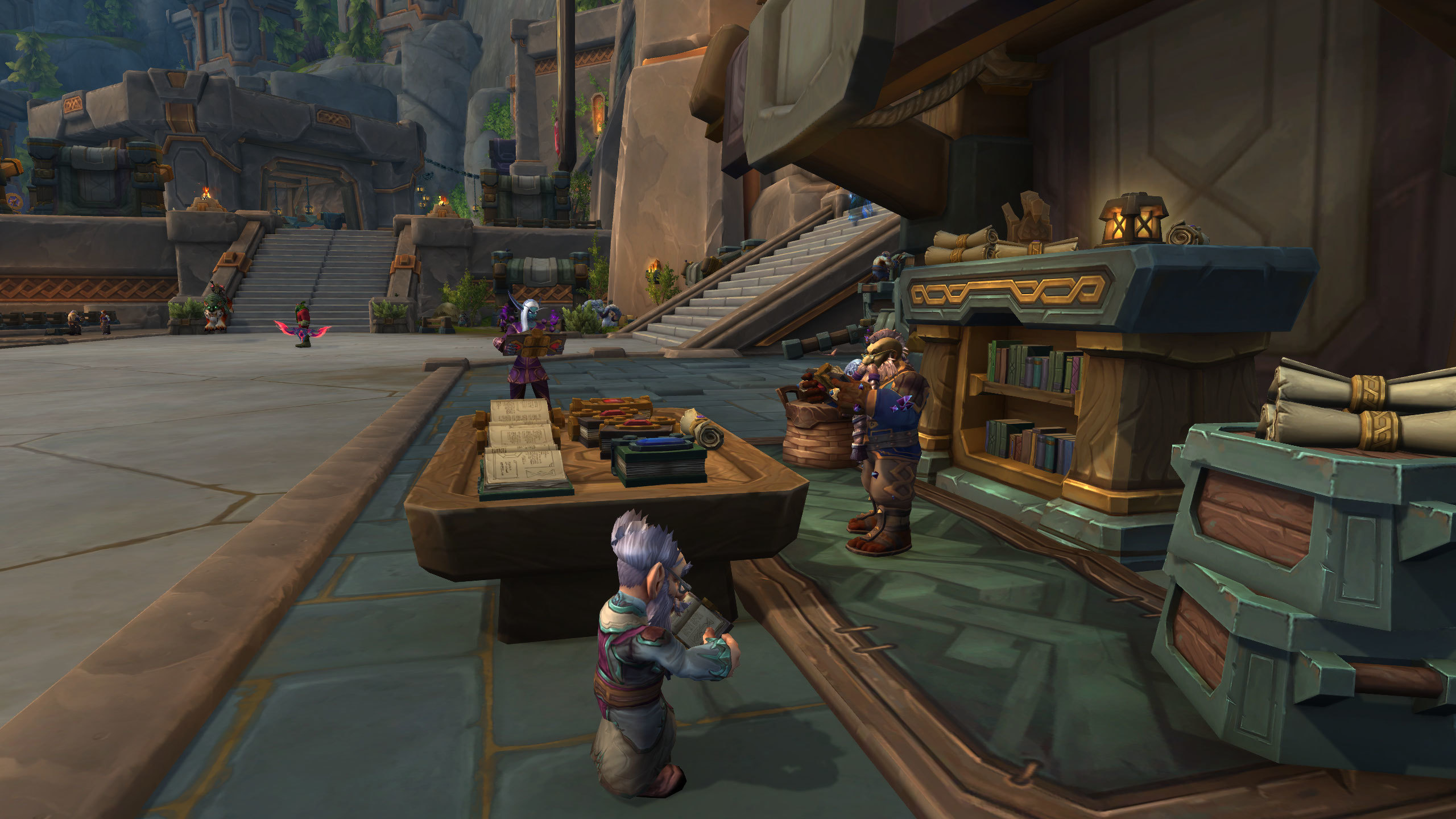
Crafting order systems have transformed professions from isolated production into social, reputation-driven networks. Instead of anonymous transactions, crafters and customers now form ongoing relationships built on reliability, quality, and trust. Over time, these connections shape local economies and player identity.

Reputation Replaces One-Time Transactions
When crafting quality and fulfillment matter, reputation becomes currency. Players remember crafters who deliver consistently and communicate clearly. Repeat customers seek out familiar names, turning professions into recognizable services rather than interchangeable outputs.
Specialists Become Community Anchors
Focused crafters naturally attract recurring demand. By mastering specific niches, they become known within their communities as dependable experts. This visibility reinforces specialization and encourages long-term investment in profession progression.
Social Capital Drives Economic Success

Strong relationships often matter more than price competition. Players are willing to wait or pay slightly more for trusted results. This dynamic rewards professionalism, patience, and consistency over volume-based strategies.
| Network Element | Player Behavior | Long-Term Effect |
|---|---|---|
| Repeat orders | Trust reinforcement | Stable income |
| Specialization | Expert recognition | Higher demand |
| Communication | Expectation clarity | Stronger loyalty |
| Quality delivery | Positive reputation | Network growth |
Networks Encourage Cooperative Play

Crafters rely on gatherers, refiners, and complementary professions, forming interconnected relationships. These networks reinforce cooperation and reduce the isolation traditionally associated with crafting gameplay.
Conclusion
Crafting order networks build reputation-based player relationships that extend beyond simple transactions. By rewarding trust, specialization, and consistency, these systems create meaningful social and economic connections within the player community.

Leave a Reply