
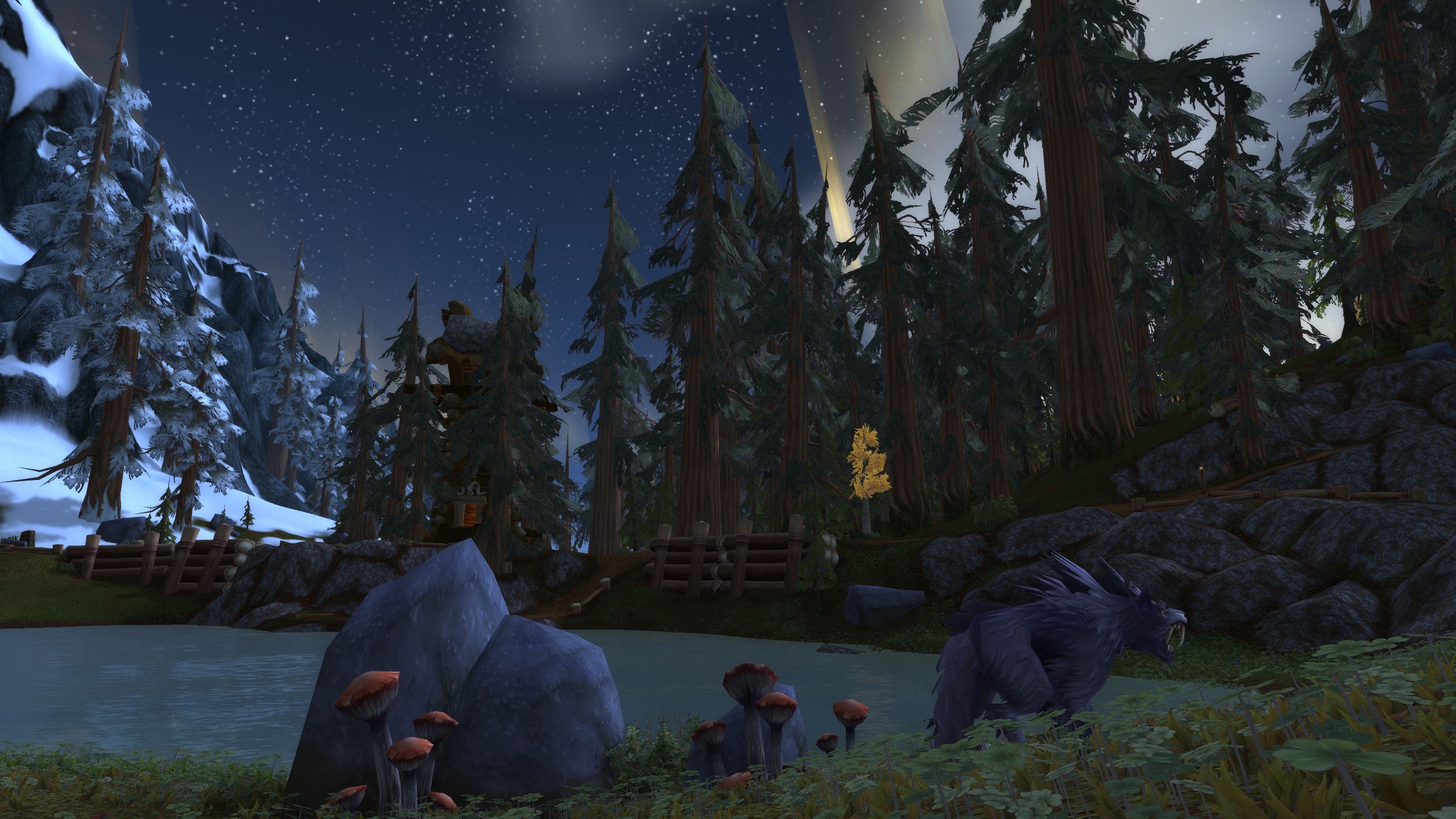
World of Warcraft (WoW) has revolutionized the MMORPG genre and had a profound influence on the world of modern role-playing games (RPGs). From its expansive world-building to its intricate gameplay mechanics, WoW has shaped the way developers create online and offline RPGs. In this article, we’ll explore the impact WoW has had on modern RPGs and how its innovations have paved the way for other games in the genre.

The Evolution of Online RPGs
Before WoW, online RPGs were relatively niche, often limited to smaller player bases and less immersive worlds. However, WoW broke down these barriers and brought the MMORPG genre into the mainstream, influencing countless games that followed.
Key Contributions:
- Massive Multiplayer Worlds: WoW introduced the concept of a massive, persistent world where thousands of players could coexist in the same universe, making it the blueprint for future MMORPGs.
- Questing and Storytelling: WoW’s questing system and storytelling techniques set a standard for RPGs, offering dynamic narratives and interactive missions that helped players immerse themselves in the game world.
- Social and Cooperative Play: WoW’s emphasis on cooperation and guilds created a thriving community aspect, influencing other RPGs to focus on multiplayer elements.
WoW redefined the concept of online role-playing, paving the way for the success of future MMORPGs like Final Fantasy XIV, Elder Scrolls Online, and others.
Innovative Gameplay Mechanics
WoW’s gameplay mechanics introduced several innovations that have become staples in modern RPGs, particularly MMORPGs. These innovations enhanced gameplay depth, accessibility, and player interaction.
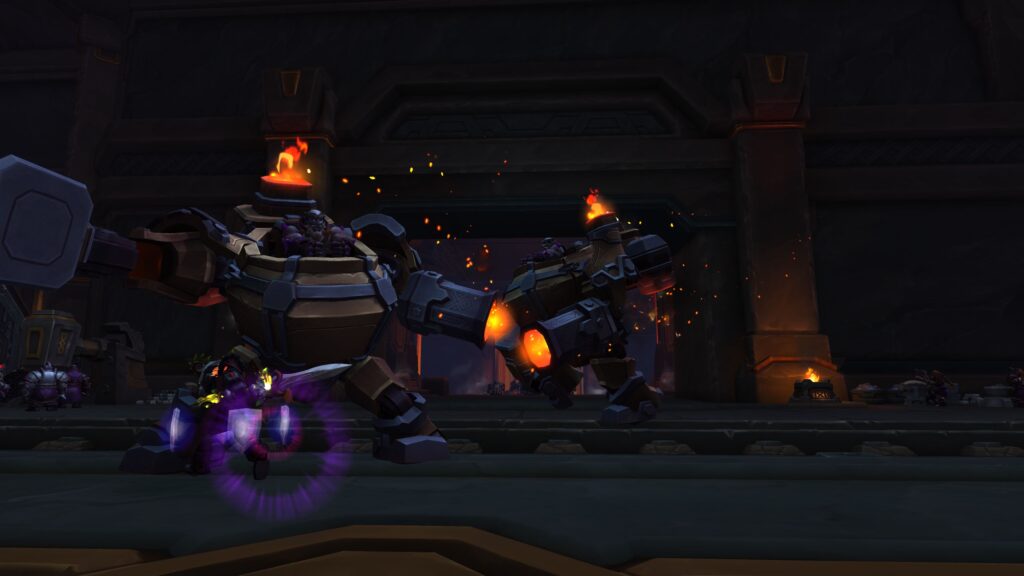
Key Innovations:
- Dynamic Combat Systems: WoW introduced real-time combat systems that required players to actively engage in battles, moving away from the more static, turn-based systems of older RPGs.
- Character Progression and Customization: The game’s deep character progression system, including talent trees, skill customization, and gear acquisition, has influenced character development in other RPGs.
- Loot and Reward Systems: WoW’s loot system—based on rarity and drop rates—has become a standard in modern RPGs, encouraging players to grind for gear and rewards.
These gameplay innovations have been adopted by many modern RPGs, further cementing WoW’s role as a trendsetter in the genre.
Storytelling and World-Building
WoW’s storytelling and world-building are key reasons for its lasting success. The game’s rich lore, vast world, and dynamic events have influenced the way modern RPGs approach narrative and immersive environments.
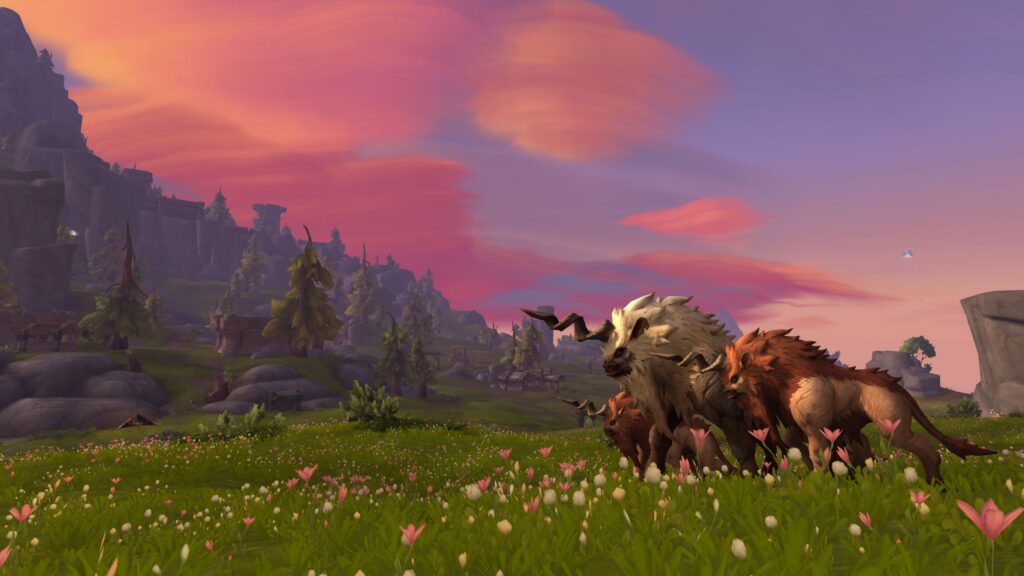
Key Contributions to Storytelling:
- Expansive Lore: WoW’s extensive lore has been shared across expansions, novels, and other media, helping to create a universe that feels rich and alive.
- Player Choice: WoW’s focus on player-driven decisions, especially in quests and faction choices, has influenced other RPGs to provide meaningful narrative choices that shape the game world.
- Ever-Evolving World: WoW’s living world, where events and expansions alter the game world, has influenced RPGs to adopt similar mechanics of a constantly changing universe.
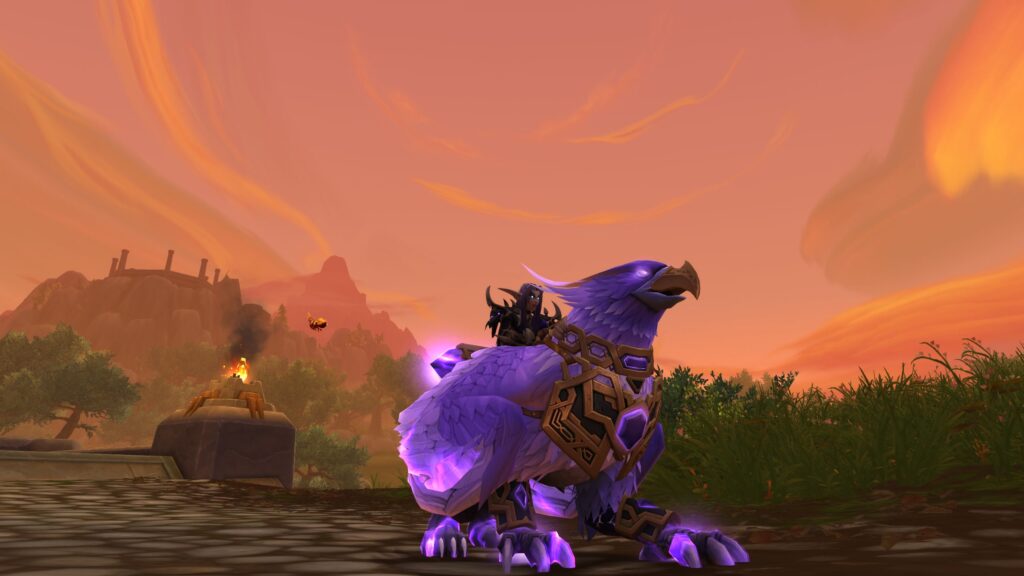
WoW’s approach to storytelling and world-building has left a lasting impact on modern RPGs, with many games borrowing elements of its narrative style and world dynamics.
Conclusion
World of Warcraft’s impact on modern RPGs is undeniable. Through its groundbreaking innovations in gameplay, world-building, and social interaction, WoW has shaped the way we think about RPGs and MMORPGs. From questing systems to immersive worlds and social experiences, WoW’s influence continues to be felt in the development of today’s most popular games. As WoW celebrates its legacy, its impact on the RPG genre will continue to be evident in games for years to come.
Home
Leave a Reply